
Who Poured Your First Good One?
Trust & Recommendation · Article 10 of 11
Nobody falls for a tequila, a mezcal or a sotol by reading about it. Somebody pours it for you. This is about that person, why you believed them, and why I built a company around being that friend.
A drink you can’t describe
Try describing what’s in your glass to someone who has never had it.
You’ll reach for cooked agave. Then vanilla, maybe. Pepper, citrus, earth, something green. By the fourth word you’re making faces with your hands, and they still don’t know what’s in the glass.
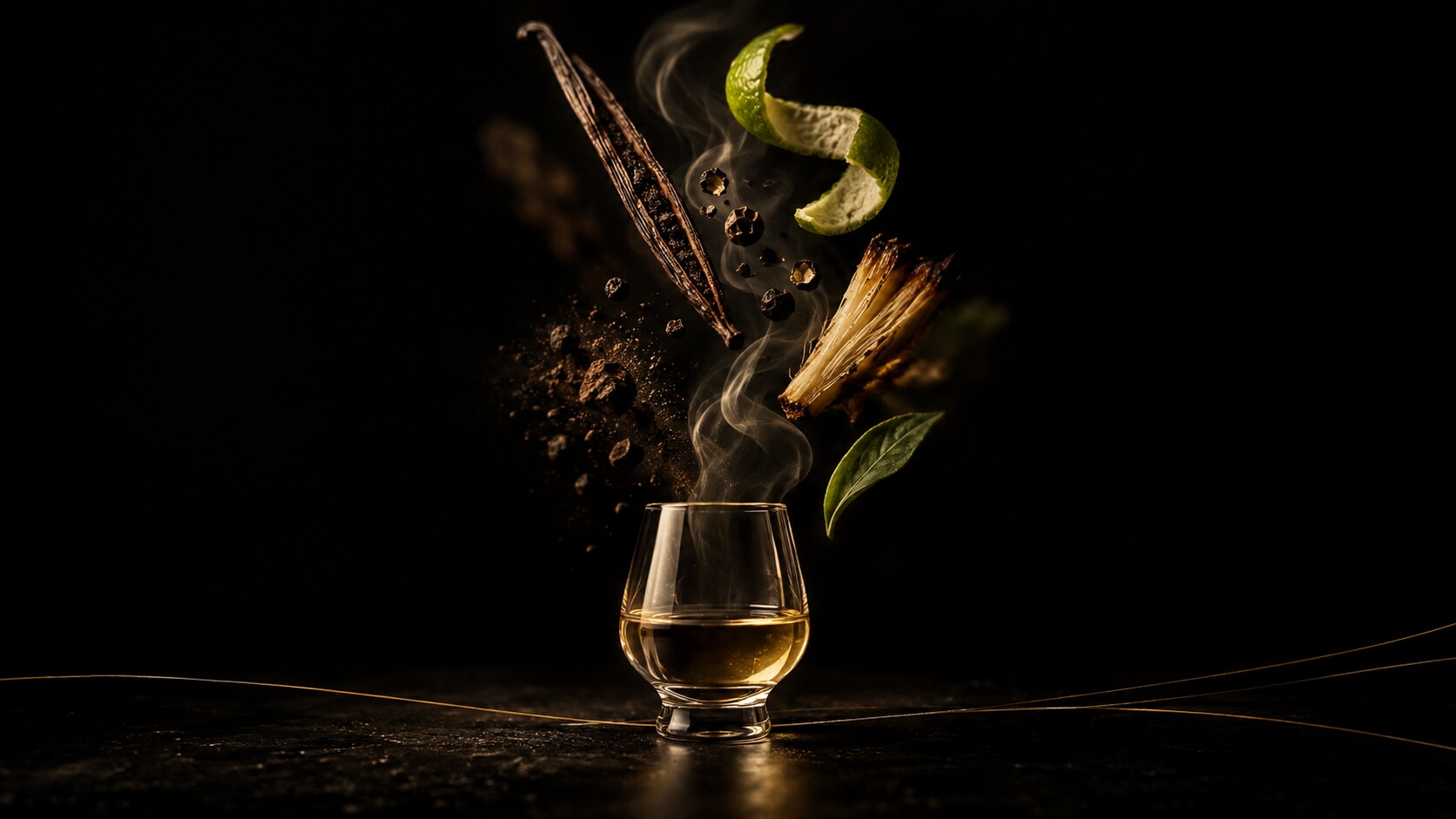
Spirits are hard to put into words. And they don’t arrive on their own. They come with the night you’re having: who you’re with, what kind of week it was, whether you’re celebrating or just sitting down. The same pour tastes different alone on a Tuesday than it does with friends on a Saturday.
A thing that hard to describe, and that tied to the night you’re having, is a thing that’s hard to choose.
So we order what we know
Faced with a wall of bottles, most of us point at the one we recognise.
It isn’t laziness. People are wary of flavours they haven’t tried before; psychologists have been measuring it since the early nineties and have a name for it, food neophobia. The unknown bottle might be wonderful. It might also ruin the night. So we play it safe.
And what we’re told before we taste changes what we taste. In one pub experiment, drinkers compared two beers. One had a few drops of balsamic vinegar in it. Tasted blind, most of them preferred the one with the vinegar. Told about the vinegar before they tasted, they liked it less. Same beer. Same drops. A different story in their heads.
That’s the part I want you to hold on to. A suggestion doesn’t just point you at a drink. It changes how the drink tastes. Which means whoever gives it has your night in their hands.

Mine
For years, tequila to me was a shot.
Salt, throw it back, lime, a face, another round. The kind of night that ends the way those nights end. By my late twenties I didn’t want to go near any of it. I didn’t even want to smell it.
Then my cousin’s boyfriend poured me a mezcal.
He didn’t sell it. He didn’t tell me it was smooth or special or anything else I’d heard before. He just knew it, knew me a little, and handed me the glass like it mattered.
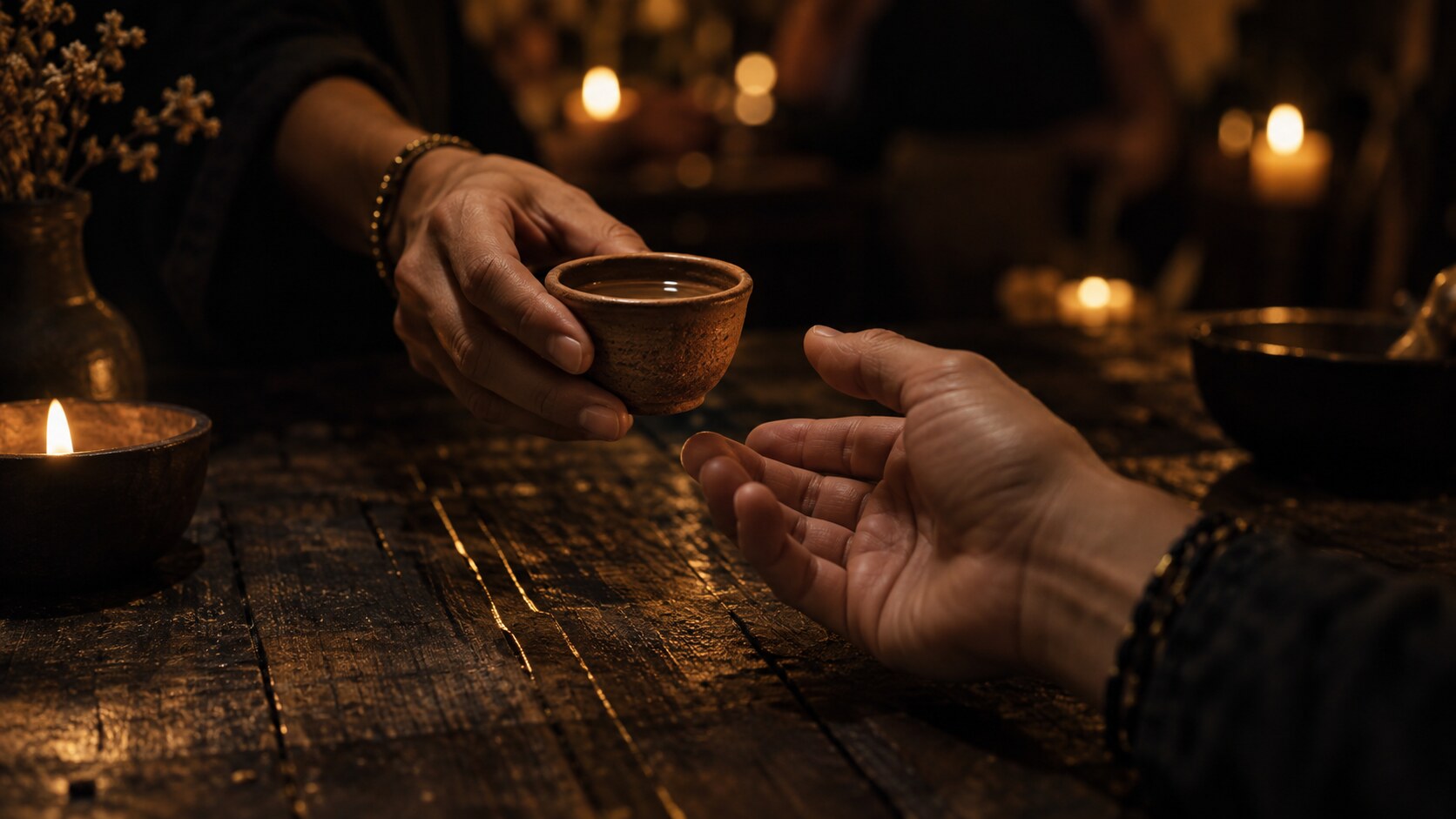
It was Bruxo No. 7, if you’re wondering. One sip, and everything I thought I knew turned around.
It happened to be a mezcal. It could just as easily have been a tequila, poured neat by someone who knew it. The problem had never been the tequila. It was the shot, and that nobody had ever poured it for me.
I’ve thought a lot about why that worked. Part of it was what was in the glass. Most of it was him. I trusted him more than I trusted my own bad memories, so I actually tasted what was in the glass instead of what I was afraid of.
There’s research on this too. In a Harvard study on speed dating, women were asked to predict how much they’d enjoy a five-minute date. The ones who knew how much another woman had enjoyed a date with the same man predicted far better than the ones who saw his profile and his photo: about half the error. And three out of four were sure the profile would work better.
We think we want the description. What actually helps is someone who’s been there.
What I ask before I pour
Now people ask me. Which tequila? Which mezcal? Which sotol?
I never answer straight away. I ask first:
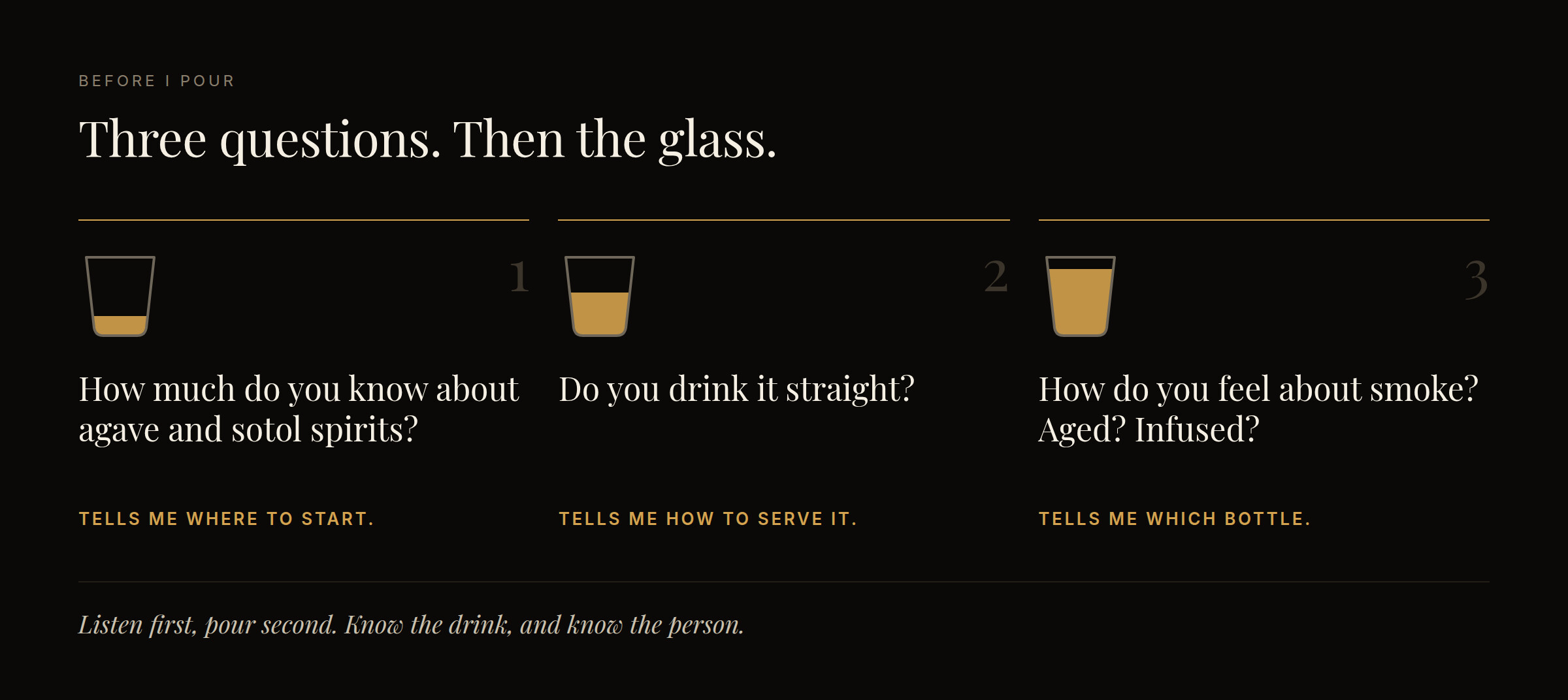
Three questions, and I know where to start. Someone who’s never sipped it neat doesn’t get my smokiest bottle. Someone who loves smoke doesn’t get my safest one.
That’s all a good recommendation is. Listen first, pour second. Know the drink, and know the person.
Why I built Agave Amigo
Agave Amigo is those three questions, and everything that comes after them, made so it can sit with more people than I’ll ever share a table with.
It’s a numerical way to explain something that isn’t numerical: a taste, a feeling. That sounds like a contradiction, until you remember what we are. We’re social creatures. How much we enjoy something depends on how much we know about it and how much we trust the person telling us. Both of those can be understood. Both can be measured.
So the app does what my cousin’s boyfriend did. It asks before it pours. It learns what you like from what you log. It gets better at knowing you the more you tell it.
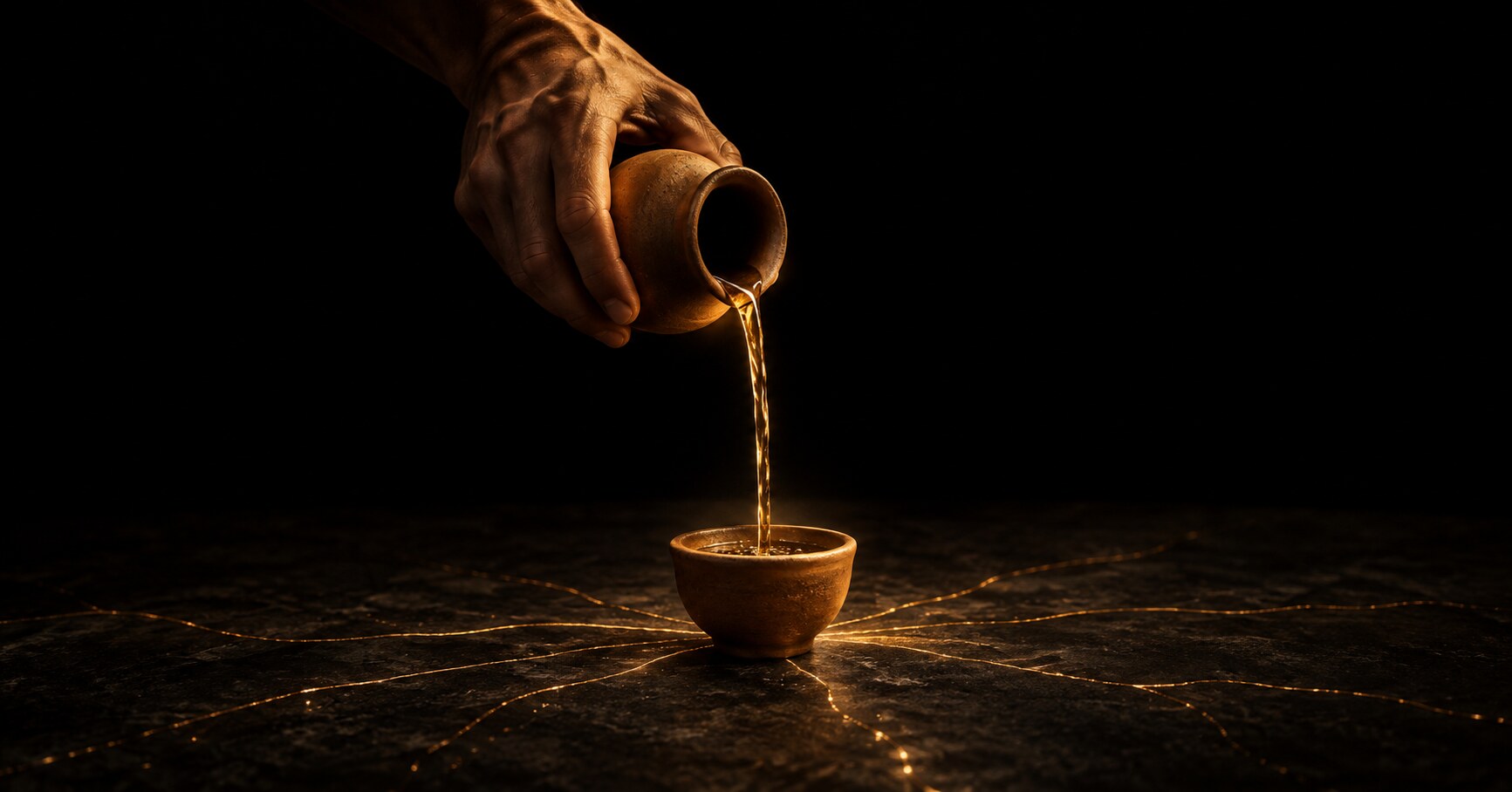
Agave Amigo is made to know you and to help you. Nothing works without the first. Nothing is worth anything without the second. That’s why trust isn’t a feature here. It’s the whole point.
Then pass it on

Somebody poured your first good one. Think about who it was, and why you believed them.
Now think about the friend who has only ever had it one way.
You know what to ask. Pour them one.
References
- Pliner, P. & Hobden, K. (1992). Development of a scale to measure the trait of food neophobia in humans. Appetite 19(2), 105–120.
- Lee, L., Frederick, S. & Ariely, D. (2006). Try it, you’ll like it: the influence of expectation, consumption, and revelation on preferences for beer. Psychological Science 17(12), 1054–1058.
- Gilbert, D. T., Killingsworth, M. A., Eyre, R. N. & Wilson, T. D. (2009). The surprising power of neighborly advice. Science 323(5921), 1617–1619.
Choose your Moment and discover Your Pour.
Find Your Pour →A note on language. Proper nouns keep their names in every language: spirits, agave varietals, brands, and the people who make them.